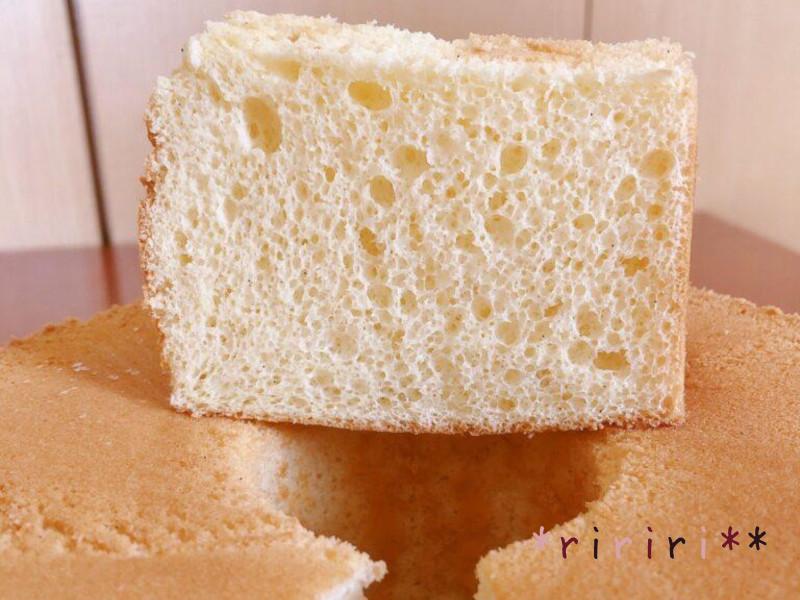
Hojicha works well in chiffon cake because the roasted aroma is clear, but tea powder or strong infusion can change moisture and bitterness.
Keep the base structure stable and adjust tea strength slowly.
How this variation changes the base
Hojicha changes the base through roasted tea solids or tea-infused liquid. Powder adds dryness and particles; infusion adds liquid.
Use the plain vanilla chiffon cake as the control recipe. Change only the flavor variable first, then compare rise, crumb, moisture, and cooling behavior before adjusting anything else.
- Base recipe role: Keep the egg foam, pan size, and cooling method as close to the base recipe as possible.
- Main risk: Too much tea powder can dry the crumb or taste harsh.
- Best first test: Use a controlled tea strength and compare crumb softness with the plain base.
What can go wrong
Tea variations often fail when the flavor is pushed hard before the base texture is stable.
- Dry crumb: Tea powder can absorb moisture.
- Weak flavor: Too little tea disappears after baking.
- Harsh taste: Very strong tea or scorched powder can taste burnt.
Failure prevention
Balance tea strength with moisture and avoid overbaking.
If this variation collapses or becomes dense, go back to the plain base once before changing several ingredients at the same time.
- Sift fine tea powder with dry ingredients if used.
- Cool hot tea before mixing.
- Check browning because roasted flavors can taste stronger when overbaked.
- Keep the same pan and bake time while testing flavor.
Related recipes and troubleshooting
Use these links to move between the base recipe, nearby flavor variations, and the troubleshooting guides if the cake fails.