Use this guide when a chiffon cake fails and you are not sure which detailed article to open first. Start with the shape of the cake, then follow the most likely cause instead of changing the whole recipe at once.
The goal is to make the next bake more controlled. Choose one symptom, change one factor, and compare the result with the same mold, oven setting, and recipe whenever possible.
Start with the visible symptom
A failed chiffon cake usually leaves a visible clue. The bottom, side, top, and crumb each point to a different kind of problem.
If more than one symptom appears, fix the structure problem first: meringue, final mixing, bake time, and cooling usually matter before small flavor adjustments.
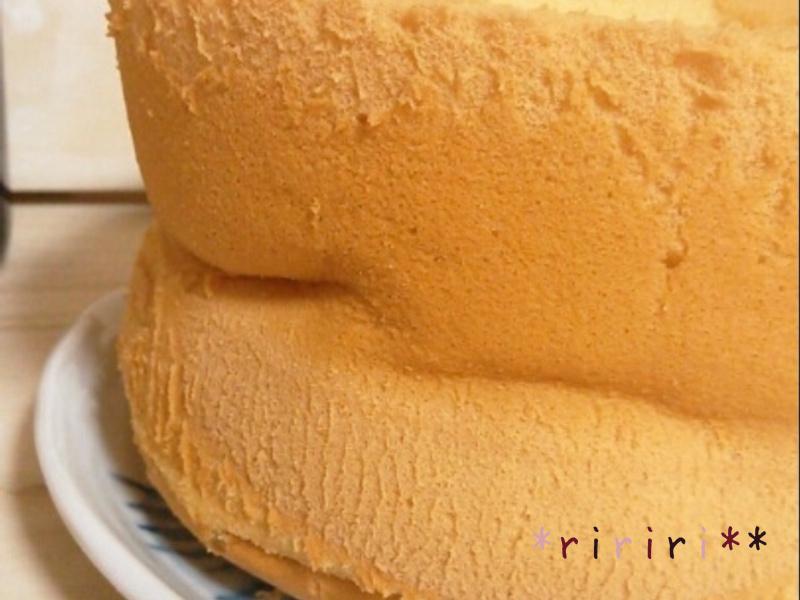
- Concave or raised bottom: Check yolk-batter emulsification, trapped air, final folding, and bottom heat.
- Collapse or folded side: Check meringue strength, underbaking, moisture, and full upside-down cooling.
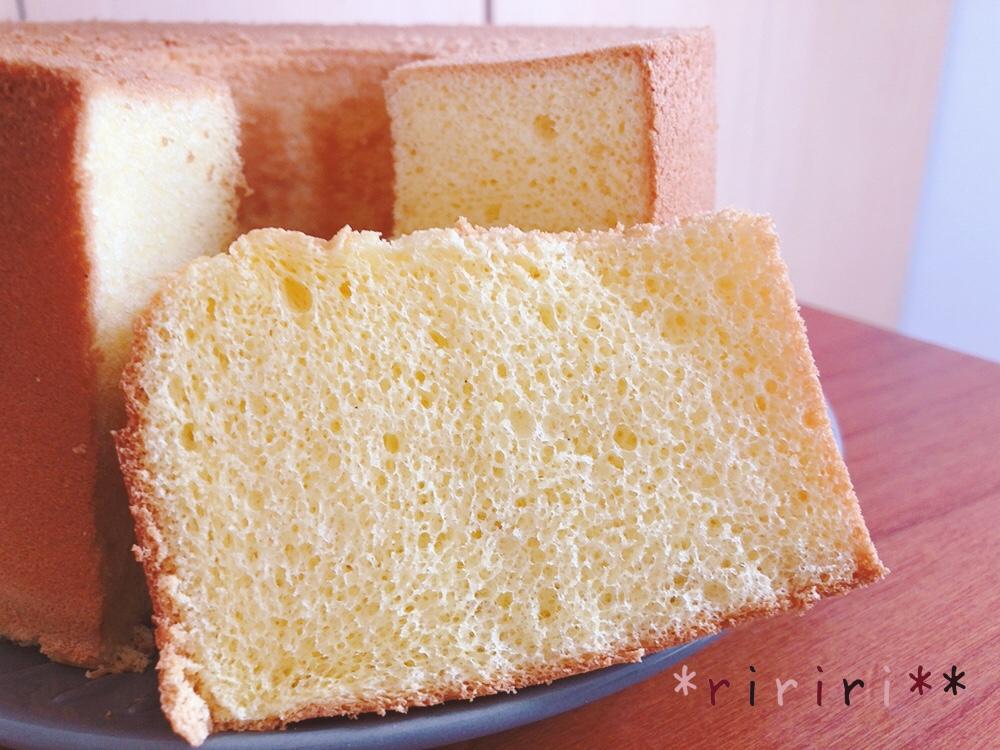
- Shrinkage or dense crumb: Check bake time, steam release, excess moisture, and uneven final mixing.
- Low rise, sinking, or uneven rise: Use the second-wave guides below to separate foam, heat, pan, and cooling issues.
Core failure guides
Open the guide that matches the strongest visual clue. These detailed guides remain the main references for the three largest failure patterns.
First troubleshooting cluster
These guides cover common long-tail symptoms that often appear together with collapse, dense crumb, or poor rise.
Second-wave troubleshooting guides
Use these guides when the cake fails in a more specific way, such as low rise, center sinking, wet bottom, dry crumb, sticky crust, or cooling trouble.
Next-bake checklist
Before the next bake, write down the one change you want to test. Do not change temperature, liquid, meringue texture, and mixing all at the same time.
- Use the same mold and oven rack position.
- Check the real oven temperature if failures repeat.
- Watch final batter texture, not only ingredient amounts.
- Cool the cake fully upside down before unmolding.
- Record the visible symptom immediately after cooling.