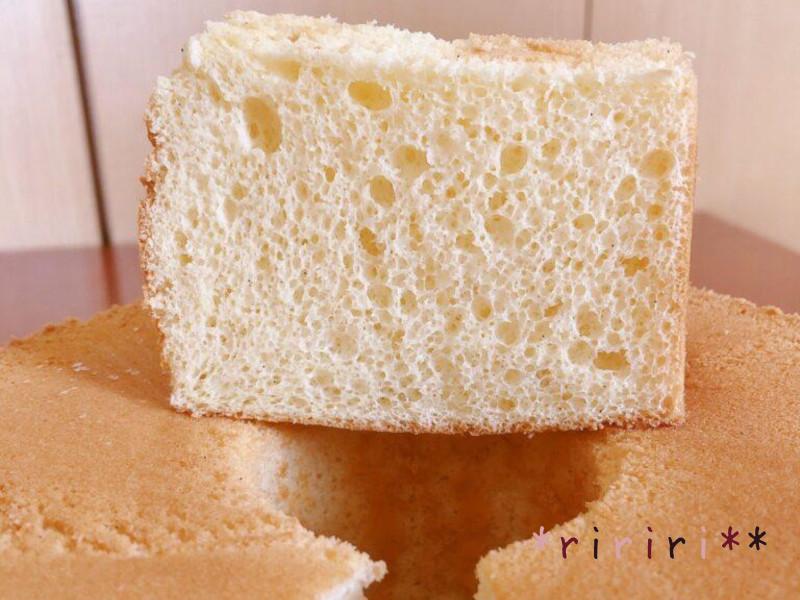
A wet bottom can come from underbaking, trapped steam, or too much liquid settling near the base. It is different from a concave bottom, though both can appear together.
Check whether the bottom is wet only on the surface or dense through the crumb. Surface moisture points to cooling and steam; dense wet crumb points to baking and batter balance.
Quick diagnosis
If the cake feels sticky only where it touched the plate or pan, moisture may have been trapped during cooling. If the bottom layer is compact and heavy, underbaking or batter separation is more likely.
- Sticky surface: Check cooling airflow and storage timing.
- Dense wet layer: Check bake time, liquid, and final mixing.
- Wet plus concave: Check bottom heat and trapped air.
Likely causes
A wet bottom usually means the bottom section did not dry and set at the same pace as the rest of the cake.
- Trapped steam: Moisture condenses when the cake is covered too soon.
- Underbaked center: The base stays heavy as the cake cools.
- Poor emulsification: Liquid can settle in the batter before structure forms.
Quick test
Cool the cake fully upside down with airflow around the pan, then wait before wrapping it. If the bottom is less wet, condensation was a major factor.
Next-bake fixes
Separate cooling moisture from baking problems.
- Do not wrap or cover the cake while warm.
- Bake until the center passes a skewer and springback check.
- Mix the yolk batter until smooth before folding.
- Use the same rack position while testing changes.
Related troubleshooting
Use these related guides if the same cake also shows another visible symptom.