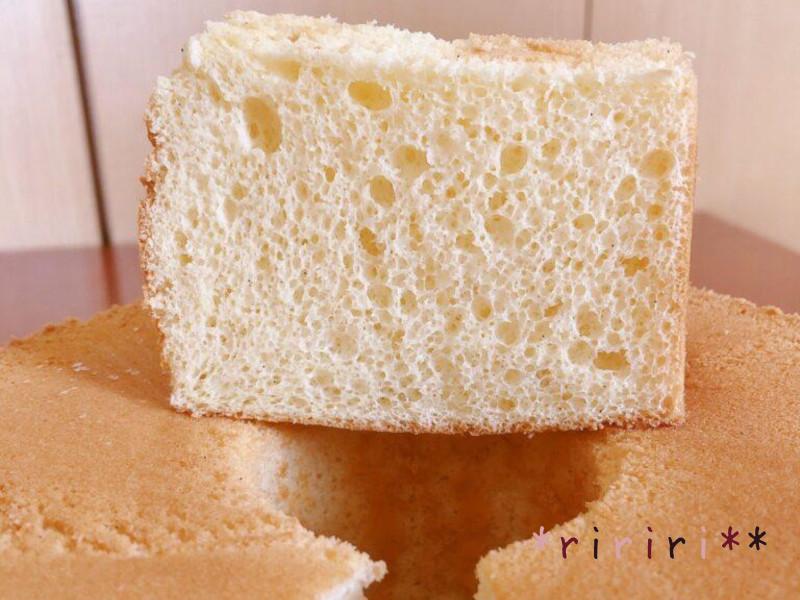
Mini chiffon cakes bake faster than full-size cakes, but they still need enough structure and cooling support.
The smaller the mold, the more important timing and release become.
How this variation changes the base
Mini molds change the base by increasing surface area and reducing bake time. The batter can dry or set quickly if the heat is too strong.
Use the plain vanilla chiffon cake as the control recipe. Change only the flavor variable first, then compare rise, crumb, moisture, and cooling behavior before adjusting anything else.
- Base recipe role: Keep the egg foam, pan size, and cooling method as close to the base recipe as possible.
- Main risk: Mini cakes can overbake outside before the structure is evenly set.
- Best first test: Use consistent mold size and record exact bake time for that mold.
What can go wrong
Mini chiffon failures often come from overbaking, weak grip, or unmolding before the crumb is stable.
- Dry edges: Small molds expose more surface to heat.
- Tearing: Small cakes can be harder to release cleanly.
- Weak height: The batter still needs wall support.
Failure prevention
Treat mini molds as their own recipe format.
If this variation collapses or becomes dense, go back to the plain base once before changing several ingredients at the same time.
- Use ungreased molds when the recipe depends on wall grip.
- Check doneness earlier.
- Cool fully before release.
- Use the same mold type until the timing is stable.
Related recipes and troubleshooting
Use these links to move between the base recipe, nearby flavor variations, and the troubleshooting guides if the cake fails.