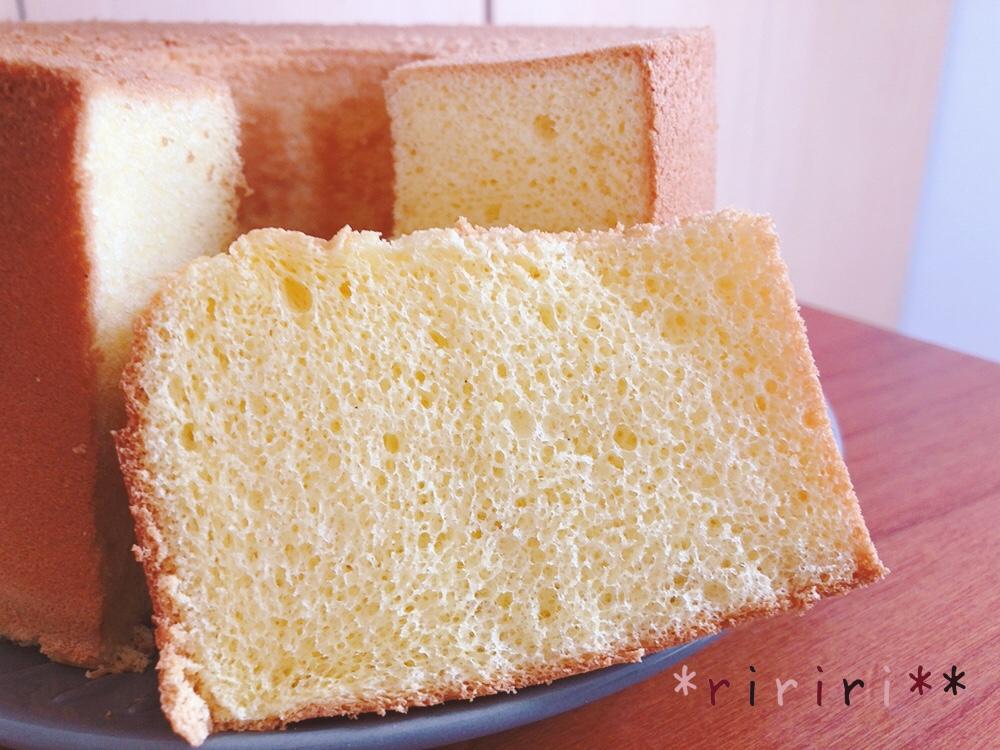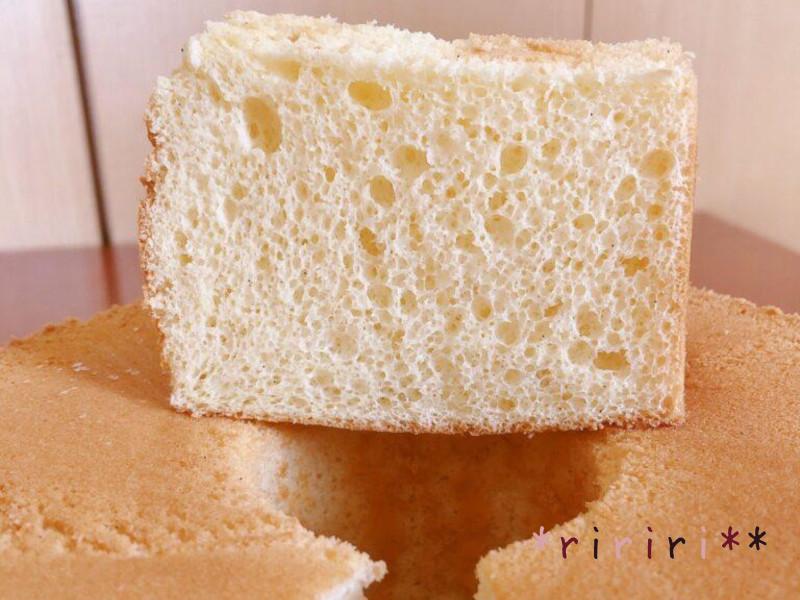
A crack on top of a chiffon cake is not always a failure. A controlled split can appear when the cake rises well, but a deep, dry, uneven crack often points to heat or batter-balance problems.
Use the shape of the crack to decide what to test next. Change one factor at a time so you can tell whether oven heat, meringue, or pan fill level was the real cause.
Quick diagnosis
A high central split usually means the top set before the inside finished expanding. Several sharp cracks can mean the oven was too hot, the rack was too high, or the batter had too much lift for the pan.
- Dry hard crack: Check top heat and rack position first.
- Tall split with good texture: It may be normal rise, especially if the crumb is soft.
- Crack plus collapse: Treat it as a structure problem, not only a surface problem.
Likely causes
The most common causes are high top heat, a pan that is too full, stiff or dry meringue, and batter that expands faster than the crust can stretch.
If the cake also shrinks or becomes dense, the crack is only one symptom. The deeper cause may be underbaking or uneven final mixing.
Quick test
Bake the same recipe one rack lower and check the real oven temperature with an oven thermometer. If the crack becomes less aggressive while the crumb stays soft, heat placement was probably the main issue.
Next-bake fixes
- Use the lower-middle rack when the top browns too fast.
- Do not fill the tube pan beyond the recipe's normal level.
- Whip meringue until firm but still glossy, not dry and clumpy.
- Bake long enough for the center structure to set before cooling.