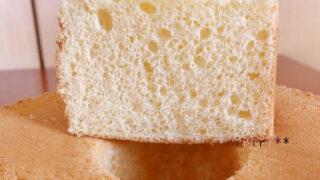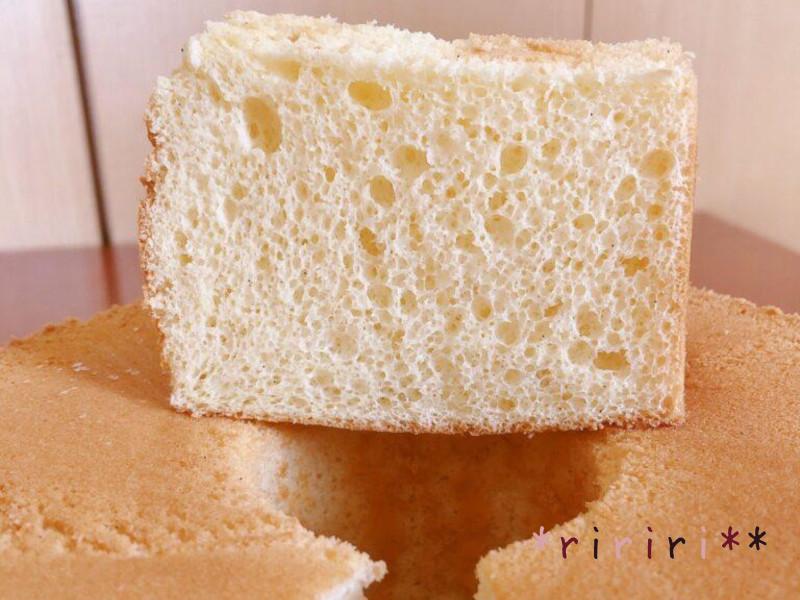
Rice flour chiffon cake can be soft and light, but it does not behave exactly like wheat flour. The crumb can become fragile, dry, or slightly gritty if the balance is off.
Treat rice flour as a flour-system change, not a small flavor variation.
How this variation changes the base
Rice flour changes the base by removing wheat gluten and changing starch behavior. It can create a tender crumb but may need careful moisture control.
Use the plain vanilla chiffon cake as the control recipe. Change only the flavor variable first, then compare rise, crumb, moisture, and cooling behavior before adjusting anything else.
- Base recipe role: Keep the egg foam, pan size, and cooling method as close to the base recipe as possible.
- Main risk: The cake can become fragile, dry, or crumbly.
- Best first test: Use a tested rice-flour ratio and compare crumb strength after full cooling.
What can go wrong
Gluten-free variations fail when flour texture, hydration, and cooling strength are not balanced.
- Crumbly texture: The crumb may lack enough structure.
- Dry mouthfeel: Rice flour can feel drier than wheat flour.
- Fragile unmolding: The cake may tear more easily.
Failure prevention
Change flour carefully and avoid judging the cake before it is fully cool.
If this variation collapses or becomes dense, go back to the plain base once before changing several ingredients at the same time.
- Use fine rice flour for a smoother crumb.
- Keep mixing even so flour does not clump.
- Cool fully before unmolding.
- If the cake tears, check both flour texture and cooling time.
Related recipes and troubleshooting
Use these links to move between the base recipe, nearby flavor variations, and the troubleshooting guides if the cake fails.