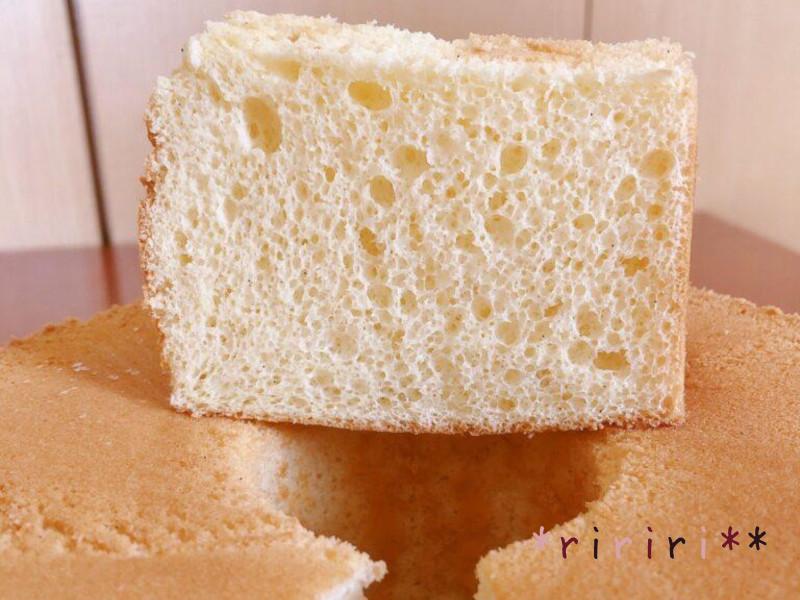
Small batch chiffon cake is not only a divided recipe. Batter depth, pan size, and bake time change together.
The safest approach is to scale around the pan, not just around the number of eggs.
How this variation changes the base
A small batch changes the base by reducing batter volume and changing how quickly heat reaches the center.
Use the plain vanilla chiffon cake as the control recipe. Change only the flavor variable first, then compare rise, crumb, moisture, and cooling behavior before adjusting anything else.
- Base recipe role: Keep the egg foam, pan size, and cooling method as close to the base recipe as possible.
- Main risk: A pan that is too large or too small can cause low rise, overbaking, or collapse.
- Best first test: Choose the pan first, then scale batter so the fill level stays reasonable.
What can go wrong
Small batch failures usually come from pan mismatch or bake-time assumptions.
- Low rise: Too little batter in a large pan cannot climb well.
- Dry cake: Small cakes can overbake quickly.
- Collapse: A deep small pan may need more time to set.
Failure prevention
Control pan fill and check doneness instead of copying the original bake time exactly.
If this variation collapses or becomes dense, go back to the plain base once before changing several ingredients at the same time.
- Use a tube pan size that matches the batter volume.
- Start checking earlier than a full-size cake.
- Cool upside down even for a small cake.
- Do not change pan shape and recipe scale at the same time.
Related recipes and troubleshooting
Use these links to move between the base recipe, nearby flavor variations, and the troubleshooting guides if the cake fails.