Coconut can be added as milk, extract, oil, or shredded coconut, and each one changes structure differently.
For chiffon cake, coconut flavor is safest when you control fat and solids instead of adding every coconut ingredient at once.
How this variation changes the base
Coconut changes the base through fat, liquid, and fiber. Coconut milk can add richness, while shredded coconut adds weight and texture.
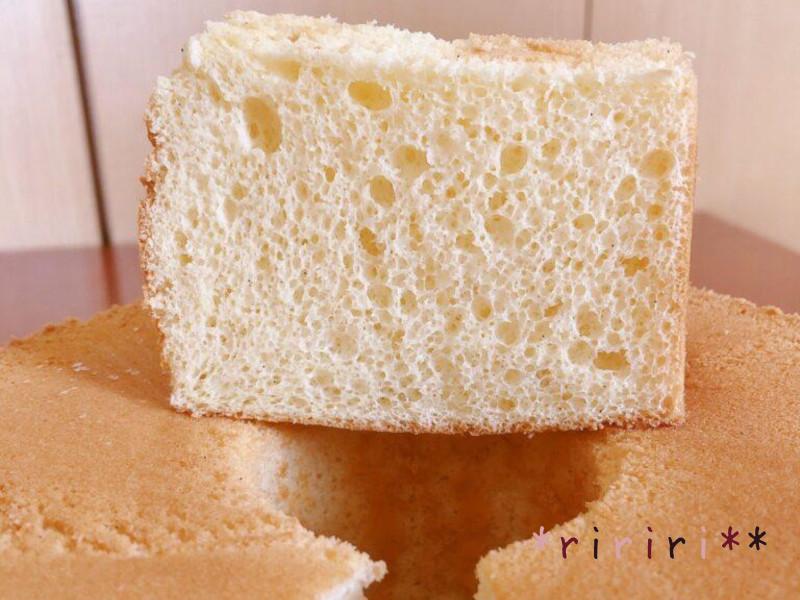
Use the plain vanilla chiffon cake as the control recipe. Change only the flavor variable first, then compare rise, crumb, moisture, and cooling behavior before adjusting anything else.
- Base recipe role: Keep the egg foam, pan size, and cooling method as close to the base recipe as possible.
- Main risk: Too much coconut fat or solids can weaken rise and make the crumb heavy.
- Best first test: Use one coconut source first, then add another only after the cake rises well.
What can go wrong
Coconut variations fail when richness and add-ins overload the foam.
- Heavy crumb: Fat and solids can reduce lift.
- Uneven texture: Shredded coconut can create rough crumb.
- Collapse: Extra fat can weaken foam structure.
Failure prevention
Choose a simple coconut route and keep the batter close to the plain base.
If this variation collapses or becomes dense, go back to the plain base once before changing several ingredients at the same time.
- Avoid adding coconut oil, coconut milk, and shredded coconut all at once.
- Use fine coconut if adding solids.
- Keep meringue glossy and stable.
- If the cake collapses, reduce coconut fat first.
Related recipes and troubleshooting
Use these links to move between the base recipe, nearby flavor variations, and the troubleshooting guides if the cake fails.