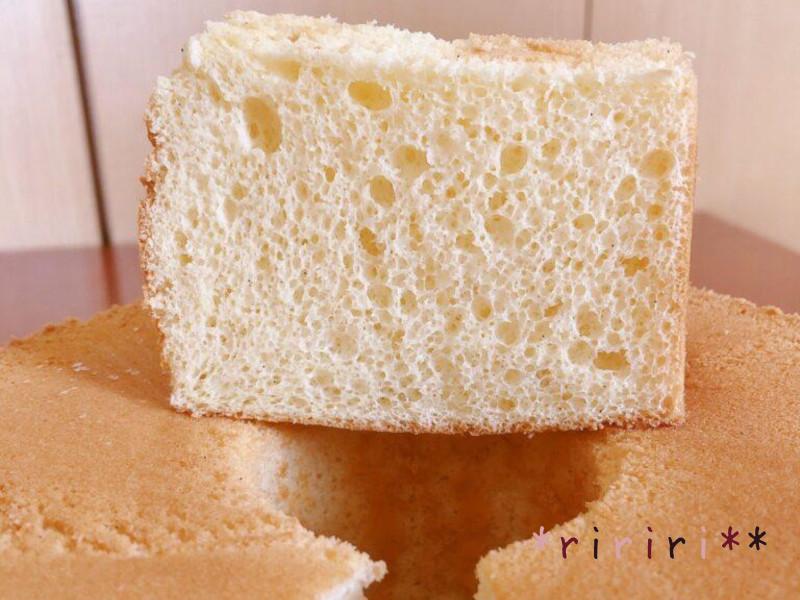
Orange chiffon cake works best when the citrus aroma is clear but the batter still behaves like the plain base.
Zest and juice affect the batter differently, so treat aroma and liquid as separate variables.
How this variation changes the base
Orange changes the base through acidity, juice, and zest oils. Zest adds aroma with little water, while juice changes the liquid balance.
Use the plain vanilla chiffon cake as the control recipe. Change only the flavor variable first, then compare rise, crumb, moisture, and cooling behavior before adjusting anything else.
- Base recipe role: Keep the egg foam, pan size, and cooling method as close to the base recipe as possible.
- Main risk: Too much juice can make the crumb wet or the bottom heavy.
- Best first test: Use zest for aroma first, then adjust juice only after the structure stays stable.
What can go wrong
Citrus variations often fail when the recipe adds flavor and liquid at the same time without checking batter thickness.
- Wet bottom: Too much juice can leave moisture near the base.
- Weak rise: Acid and liquid changes can stress the foam.
- Bitter peel: Too much pith can add bitterness.
Failure prevention
Keep the liquid close to the plain recipe and use zest carefully for a stronger orange signal.
If this variation collapses or becomes dense, go back to the plain base once before changing several ingredients at the same time.
- Use only the colored part of the zest.
- Do not increase total liquid until the base variation works.
- Bake until the center is fully set.
- If the bottom is wet, check doneness before changing flavor.
Related recipes and troubleshooting
Use these links to move between the base recipe, nearby flavor variations, and the troubleshooting guides if the cake fails.